Compounds researched for longevity, neuroprotection, skin health, and general wellness applications.
Sort by
Position
Name: A to Z
Name: Z to A
Price: Low to High
Price: High to Low
Created on
Display
3
6
9
per page
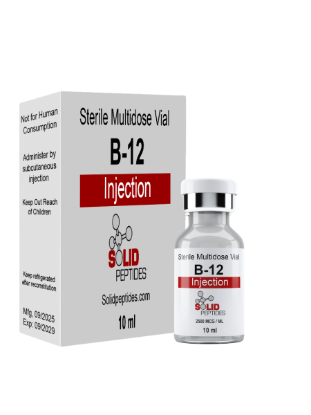
Research-grade cyanocobalamin solution for investigating methylation pathways, homocysteine metabolism, and one-carbon biochemical processes. Laboratory use only. Not for human consumption.
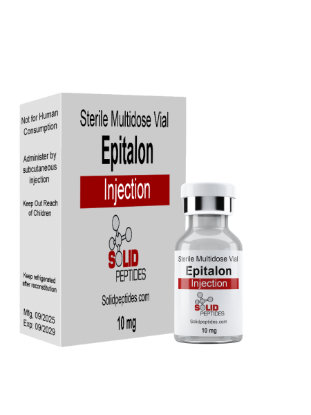
AEDG Tetrapeptide: 4-amino acid sequence (Ala-Glu-Asp-Gly), ≥98% purity by HPLChTERT / Telomerase Research: Telomerase reverse transcriptase upregulation studiesPineal AANAT Studies: Arylalkylamine-N-acetyltransferase and pCREB signaling research
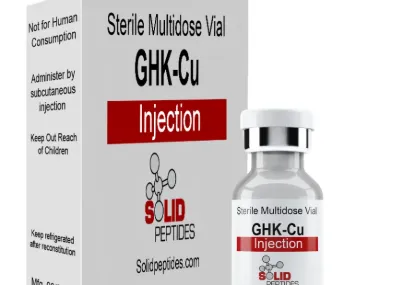
Copper Tripeptide-1: Gly-His-Lys copper(II) complex, ≥98% purity by HPLC, naturally occurring plasma peptideBroad Gene Regulation: Modulates 31.2% of human genes (>4,000 genes) including TGF-β/Smad pathway activationECM and Tissue Research: Collagen synthesis, MMP modulation, anti-inflammatory, and antioxidant pathway studies
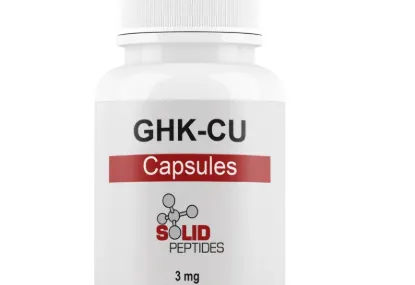
GHK-Cu Oral Capsules: Gly-His-Lys copper(II) complex, 3mg/capsule × 60, ≥98% purity by HPLCTGF-β / NF-κB Pathway Research: ECM remodeling, NF-κB anti-inflammatory signaling studiesOral Pharmacokinetics Studies: GI bioavailability and SIRT1/STAT3 colitis-model research
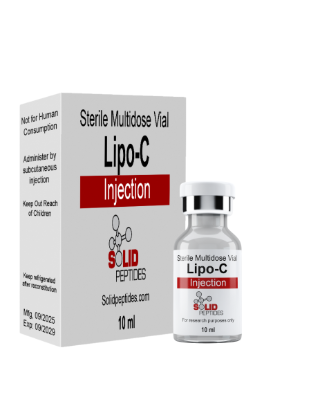
Research-grade lipotropic complex containing L-Carnitine, L-Arginine, methionine, inositol, choline, and B-vitamins for laboratory studies. Not for human consumption.
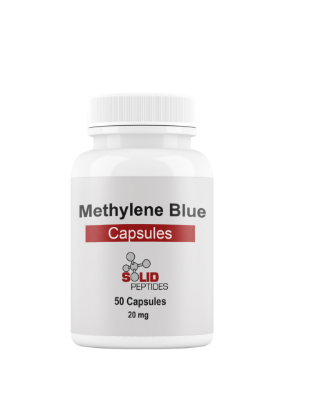
Phenothiazine Compound: Synthetic small-molecule (319.85 Da), ≥98% purity by HPLCMitochondrial Electron Carrier: Complex IV stimulation and Nrf2/AKT signaling researchNeuroprotection Models: Tau aggregation, NLRP3 inflammasome, and mitophagy investigation