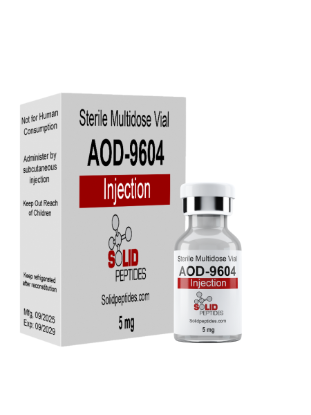
AOD-9604: synthetic hGH fragment 177-191 peptide (≥98% purity). β3-adrenergic receptor modulator for lipolysis research. Laboratory use only. Not for human consumption.
Compound: 29-amino acid synthetic GHRH(1-29)-NH₂; biologically active N-terminal fragment of human growth hormone-releasing hormone
Mechanism: Binds GHRH-R on pituitary somatotrophs; activates Gs-cAMP-PKA-CREB signaling cascade for physiological pulsatile GH release under somatostatin feedback regulation
Validation: Authorized 1990 (diagnostic) and 1997 (pediatric GH deficiency); extensively characterized in peer-reviewed endocrinology, neuroendocrinology, and oncology research
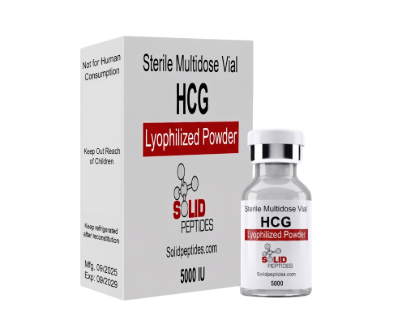
HCG labeled at 5000 IU in lyophilized-powder form. Supplied strictly for laboratory and in-vitro research only. Not for human or animal consumption, diagnosis, treatment, or veterinary use.