Peptides studied for tissue repair, cellular recovery, and regenerative research applications.
Sort by
Position
Name: A to Z
Name: Z to A
Price: Low to High
Price: High to Low
Created on
Display
3
6
9
per page
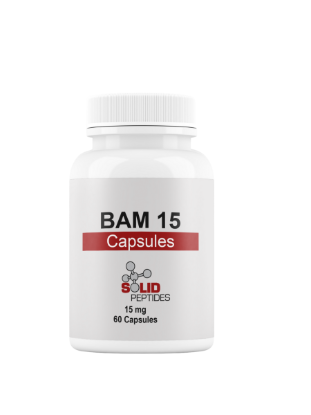
BAM15 selective mitochondrial protonophore uncoupler. N5,N6-bis(2-fluorophenyl)-oxadiazolopyrazine-diamine, C₁₆H₁₀F₂N₆O, 340.29 Da, CAS 210302-17-3. EC₅₀ 270 nM. No plasma membrane depolarization. ≥98% purity. Lab research only.
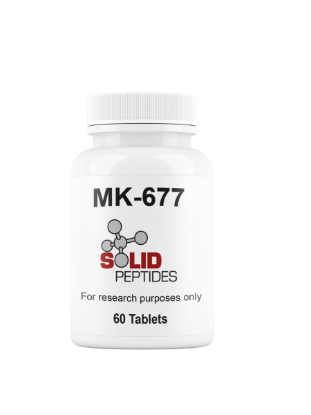
MK-677 (Ibutamoren) oral GHS-R1a ghrelin receptor agonist. Non-peptide growth hormone secretagogue with ~24h half-life. C₂₇H₃₆N₄O₅S, 528.67 Da, CAS 159752-10-0. ≥98% purity. Laboratory research only.
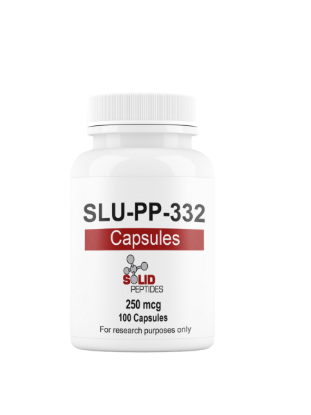
SLU-PP-332 pan-ERRα/β/γ agonist exercise mimetic. (E)-4-Hydroxy-N'-(naphthalen-2-ylmethylene)benzohydrazide. EC₅₀: ERRα 98 nM, ERRβ 230 nM, ERRγ 430 nM. C₁₈H₁₄N₂O₂, 290.32 Da, CAS 303760-60-3. ≥98% purity. Lab research only.
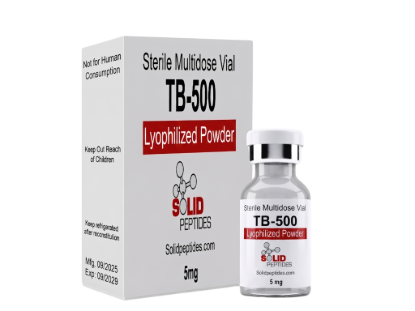
Thymosin Beta-4 Synthetic Analogue: 43-amino acid peptide (Ac-SDKPDMAEIEKFDKSKLKKTETQEKNPLPSKETIEQEKQAGES-OH); N-terminal acetylation for enhanced metabolic stability; ≥98% purity by HPLC; 2,000+ peer-reviewed publicationsMulti-Pathway Research Profile: G-actin sequestration (Kd 0.5–0.7 μM, conserved ¹⁷LKKTETQ²³ binding domain), VEGF upregulation via Wnt/β-catenin/Lef-1, PI3K/Akt/eNOS pathway, NF-κB inhibition, TGF-β1 suppressionActive Research Domains: Angiogenesis and vascular biology, cardiovascular tissue research, neuroprotection models, pulmonary and hepatic fibrosis, actin cytoskeletal dynamics; supplied as lyophilized powder for in vitro research
Synthetic mitochondria-targeted tetrapeptide (D-Arg-Dmt-Lys-Phe-NH₂) that selectively concentrates 5,000-fold at inner mitochondrial membrane through high-affinity cardiolipin binding FDA-approved September 2025 as Forzinity for Barth syndrome — first FDA-approved mitochondria-targeted therapeutic Extensively validated in 200+ peer-reviewed publications spanning cardiac, renal, neurological, and musculoskeletal research; multiple Phase 2/3 clinical trials completed
Nonapeptide (DSIP): 9-amino acid sequence (WAGGDASGE), ≥98% purity by HPLCSlow-Wave EEG Modulator: Delta-band activity research in neocortex and limbic cortexMitochondrial Studies: Hypoxia-stress respiration research in rat brain models